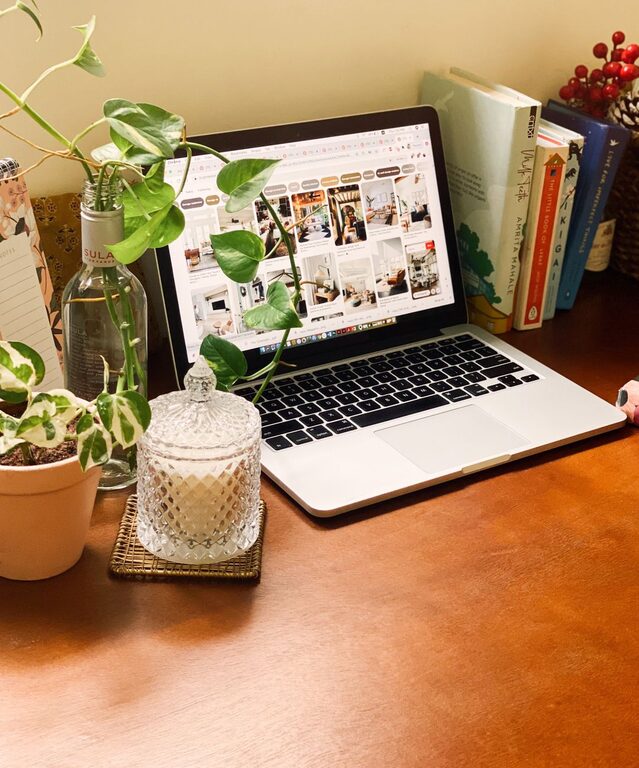

Creating a productive home office space is essential for anyone working remotely or running a business from home. A well-designed workspace can increase focus, improve comfort, and help you maintain a healthy work-life balance. Whether you have a dedicated room or a small corner, these tips will guide you toward making your home office a place where you enjoy working.
Choose the Right Location
Finding the perfect spot for your home office is the first step. Consider a space that:
– Has natural light, which can boost mood and energy.
– Is away from high-traffic areas to minimize distractions.
– Offers enough room for your desk, chair, and any necessary equipment.
If space is limited, try to identify a quiet nook or underused corner where you can set up a functional office.
Invest in Comfortable Furniture
Comfort is key, especially if you spend many hours at your desk.
– Ergonomic Chair: Choose a chair that supports proper posture, with adjustable height and lumbar support.
– Appropriate Desk: Your desk should have enough surface area for your computer, papers, and accessories.
– Adjustable Options: Consider desks that allow you to sit or stand, promoting movement throughout the day.
Comfortable furniture prevents strain and helps you stay focused longer.
Optimize Lighting
Good lighting reduces eye strain and keeps you alert.
– Place your desk near a window for natural light.
– Use adjustable desk lamps for focused lighting on tasks.
– Avoid harsh overhead lights and glare on your screen.
Choosing the right combination of light sources can create a bright, inviting workspace.
Keep Your Space Organized
Clutter can distract and reduce productivity.
– Use shelves, filing cabinets, or storage bins to keep supplies tidy.
– Keep your desktop clear except for essentials.
– Organize cables with clips or cable management boxes.
– Implement a filing system for paperwork.
Regularly decluttering your space maintains a calm and efficient environment.
Personalize Your Workspace
Adding personal touches can make your office more inviting.
– Decorate with plants to improve air quality and add color.
– Use artwork or photos that inspire you.
– Choose colors that promote focus, such as soft blues or greens.
A personalized space feels more comfortable and motivating.
Minimize Distractions
Staying focused is challenging in a home environment.
– Use noise-canceling headphones or play background music.
– Set boundaries with family or housemates during work hours.
– Turn off non-work related notifications on your devices.
Creating a distraction-free zone helps maintain your productivity.
Use Technology Wisely
The right tools make work easier.
– Invest in a reliable computer, keyboard, and mouse.
– Use software that improves organization, such as calendars or task managers.
– Set up a strong internet connection for video calls and online research.
Keeping technology updated and efficient supports smooth work processes.
Establish a Routine
A home office works best with a routine.
– Set consistent work hours.
– Take regular breaks to stretch and rest your eyes.
– Create a ritual to start and end your workday, like organizing your desk or shutting down your computer.
Having a routine helps separate work time from personal time and keeps you motivated.
Pay Attention to Air Quality and Temperature
A comfortable environment supports focus and health.
– Ventilate the room regularly.
– Use a fan, air purifier, or humidifier if needed.
– Keep the temperature moderate—not too hot or cold.
Comfortable air quality contributes to overall well-being during work.
Final Thoughts
Creating a productive home office is about combining comfort, organization, and personal preference. Start by choosing the right space and furnishing it with comfortable, functional items. Optimize lighting, reduce distractions, and keep your workspace tidy. With thoughtful planning, your home office can become a space where you enjoy working and accomplish your goals efficiently.
About the Author